Showing posts with label biodiversity. Show all posts

Wednesday, June 12, 2013

Bryophytes: the recolonization of polar arctic regions after 400 years of ice entombment


Along the Canadian Arctic Archipelago glacier recession has been a common occurrence, but with this serious decrease in ice mass there emerges a silver lining. In the Sverdrup Pass, the Teardrop Glacier has retreated ~200 m from its boundary during the Little Ice Age (LIA) [1]. This glacier retreat has uncovered a species of subglacial flora that has been dormant for over 400 years. These organisms discovered under the ice are a population of bryophytes (an old group vascular plants including mosses, liverwarts, and hornwarts that do not exhibit a vascular system [2]). The remarkable regeneration of these organisms emphasizes their successful adaptation to extreme polar environments.

Previously to the discovery of these bryophytes, many scientists thought that these new areas exposed by melting glaciers were not viable due to their lengthy exposure to subarctic conditions. Mats of “dead” moss were observed and the popular belief that most populations from the LIA were deceased was reinforced. Contrary to this common understanding, organisms found in these glacier-recession areas show startling rates of regeneration and subsequent propagation from “dead moss mats” [1]. 
"Dead moss mat" found at the base of the Teardrop Glacier after being frozen for over 400 years [3].
photo linked from npr.org <http://www.npr.org/blogs/thetwo-way/2013/05/27/186518319/beneath-a-glaciers-white-researchers-see-green>
A quote from Catherine La Farge in a National Geographic article stated:

 "As we walked up to the edge of the glacier, we could see patches of mosses that seemed to be coming out from underneath the ice. They were blackened, but there were also tints of green in there as well. As I looked more closely I thought, 'Oh my gosh, what's this? Either this has somehow managed to retain a vestige of its original color or it's just started to grow again after centuries under the ice.' The thought of that just blew my mind" [4].

The bryophyte samples that were collected had already started to regrow by the time they were shipped to the laboratory for analysis. This was shocking news to the researchers since the vast majority of plants today cannot become viable after being frozen, but these special sub-glacier plants have the capacity to regrow themselves from very small pieces of plant matter. These organisms have the ability to clone themselves using totipotent cells that return from a differentiated to a dedifferentiated (meristematic) state.

This amazing ability is akin to reversion to stem cells in animals to create pluripotent cells. Another attribute of these bryophytes includes them being poikilohydric, which means the organism lacks the ability to control water content. The bryophyte cells can shut down physiologically during desiccation and revive when conditions are more favorable. This additional attribute means that these organisms can survive a very long time and like an endospore in bacteria, remain viable under extreme conditions. The reverted cell can then be re-purposed to propagate the organism once favorable conditions occur.


Growth of 400 year-old bryophyte samples treated only with water and light [5]
Photo linked from popsci.com <http://www.popsci.com/science/article/2013-05/400-year-old-mosses-regrown-lab>

Although being significant to understanding the evolution of glacial ecosystems, these bryophytes are technically not the oldest organisms to be regrown. A 31,800 year BP seed from Silene stenophylla was recovered from a Siberian permafrost and was recently cultured. In contrast to the bryophytes, the S. stenophylla  placental tissue was extracted from the seed, carefully cloned, and grown on specialized nutrient media to stimulate development [5]. The bryophytes were regrown merely by grinding gametophytic tissue (primarily stems and leaves) and sewing the material into potting soil or growth media followed by simple watering [1].

The ability of these organisms to regenerate is a very rich resource for learning more about how glacial regions evolved and provide a link in the evolutionary chain. The regenerative ability of the bryophytes is a unique mechanism that was lost among modern plants. The reintroduction of this genetic variation will impact transgenic organisms in research and has many implications for further study. Bryophytes are not the only organisms to be unveiled by the recession of massive glaciers, organisms that were additionally found include sub-glacial microbes such as cyanobacteria and eukaryotic microalgae.

The discovery of these sub-glacial organisms has been a eye-opener for researchers everywhere. Who could imagine that multiple organisms would be found entombed for 400+ years and still be able to regrow once favorable conditions were available. These organisms are amazing examples of how nature is an ever-evolving force that specializes in colonizing new environments uncovered by a changing planet. 

While the impact of melting glaciers is mostly negative, at least there is one positive aspect to global climate change. The information we can learn about these long-lost organisms will help biologists understand LIA ecosystems and their unique regenerative properties may be an important stepping stone in plant diversity. The techniques utilized by the bryophytes might also lead to breakthroughs in cellular regeneration and may provide a medical researchers a new approach to limb regeneration.


Works Cited:


Link to research paper
[1] http://www.pnas.org/content/110/24/9839

Reviews
[2] http://bryophytes.plant.siu.edu/bryojustified.html
[3] http://www.npr.org/blogs/thetwo-way/2013/05/27/186518319/beneath-a-glaciers-white-researchers-see-green
[4] http://news.nationalgeographic.com/news/2013/05/130528-frozen-moss-teardrop-glacier-environment-science/
[5] http://www.popsci.com/science/article/2013-05/400-year-old-mosses-regrown-lab

Amphibian decline: Chytrid fungus


(Atelopus varius) Costa Rican Variable Harlequin Toad 

When you think about why a species goes extinct, what comes to mind? Habitat destruction, pollution, overharvesting, climate change, invasive species, and infectious disease are all factors that contribute to a species decline. What we are seeing with the amphibians is not the result of just one cause but rather all of them acting together and the result is catastrophic. Amphibians, which includes, frogs, toads, salamanders, and caecilians are facing a mass extinction in our lifetime if we do not act soon. In this post I will touch on the various factors leading to the extinction of amphibians but then focus on one of the main causes for amphibian decline; infectious disease in the form of the chytrid fungus.  Many species of amphibians are endemic (meaning that they are only in one particular area) which makes amphibian species very vulnerable to changes in their environment. Habitat destruction in areas such as the rain forests is a major player in causing many of these endemic species to go extinct.  As amphibians inhabit both water and terrestrial habitats, many types of pollution can have a huge effect on amphibian populations.  One aspect of pollution that dominates in amphibian loss is the use of pesticides like atrazine. In recent studies, atrazine has shown to affect the reproductive organs and health of the animals. These amphibians are changing sex or even growing multiple reproductive organs when exposed to even low levels of atrazine (Raloff). Climate change is changing the seasons, temperature, moisture, and many other factors to which amphibians are very vulnerable.  Overharvesting is also an issue for amphibians in the form of a food source (frog legs), medical, or educational purposes and until recently, impacts from overharvesting have not been addressed.

Dead frogs killed by the amphibian chytrid fungus.
Photograph by Joel Sartore, National Geographic
Amphibians have this super permeable skin where water, oxygen, and other nutrients can travel from the environment into the animal. This is how these animals can live deep in soils for long periods of time.  For example the Spade Foot Toad that lives in the high desert in Southeastern Oregon will bury itself deep into the ground and only come out when it rains. They are able to survive for years without coming back up to the surface.  The Chytrid fungus (Batrachochytrium dendrobatidis) causes a thickening of the skin which leads to oxygen and electrolyte deficiencies. There are currently two current ideas regarding the toxicity of the fungus. The first being that it secretes toxic enzymes and the second being that the loss of oxygen and electrolytes lead to poor osmoregulation.  Without an appropriate osmoregulation, the heart will go into cardiac arrest (Lee). The chytrid fungus does not only infect amphibians, recent research has shown that animals such as the crayfish can be carriers of this disease and the chytrid fungus can remain in the environment for long periods of time. This means that even if we transplant amphibians back into an environment that has lost them; we may still see amphibian death due to the fungus (McMahon).

Now that we know what the chytrid fungus is and what it has done to the amphibian populations the next questions are: Where did it come from? How does it spread across the globe? Several avenues of the spread of this disease have been postulated but none have been confirmed as the one way this disease has spread so quickly. The original thought was that African Clawed Frogs were the original carrier of this disease and it was spread to other populations due to human uses. These frogs were used until the 1970s as pregnancy tests. Doctors would inject a female human’s urine into the frog and if the frog laid eggs then the female human was pregnant (Lee). These frogs have also been widely sold in pet stores across the globe. The thought is that these frogs have gotten loose into the wild and spread the chytrid fungus to other species of amphibians in various locations around the world.  African Clawed frogs in the wild have tested positive for the chytrid fungus which verifies that there is a possibility that this was one path taken by the chytrid fungus. Another path of the spread of this disease is believed to be the American Bullfrog. Although the American Bullfrog is a native species to North America, it has become an invasive species in areas such as California and is spreading the chytrid fungus to other amphibians. The American Bullfrog is widely used as frog legs and since the fungus is not harmful to humans and is not visible to the naked eye, human consumption of this delicacy has not slowed down (Upton). The American Bullfrog’s movements can be correlated with the path of the chytrid fungus (Lee).  The chytrid fungus has also been found hitching a ride on the bottom of bird’s feet which could attribute to the widespread reaches of the disease. Whatever the path is that delivers the chytrid fungus, we know that it is deadly and it has been around for about 40,000 years (Lee). Some amphibians seem to simply be carriers and are immune to the actual disease which may contribute to why this disease has been around for so many years but is just now making a global appearance.   Several groups of scientists are working on tracking the fungus so that we can be one step ahead of the infection.  One group has found that 42% of the world’s amphibian population is currently affected by the fungus and this is spread over 52 countries around the globe as the map below shows (Olson).  
Olson et al.

So why should we care about saving amphibians from this deathly fungus? Amphibians provide quite a few ecological services. Without frogs we would see an enormous increase in the amount of insects and possibly an increase in infectious diseases carried by insects. Like any other group of animals in the wild, frogs and other amphibians play a role in food webs and the loss of amphibians could be a possible destruction of the animals that consume amphibians as their food source.  Many antimicrobial agents and various types of medications have been developed using amphibians and more are still left to be discovered. Amphibians have also played an important role in education and research. Amphibian embryos are transparent and have been widely used in the field of developmental biology.

What are some things we should do to help? Generally we think that just one person cannot make that big of a difference but we hear all the time that one person can make all the difference in the world. Here are some easy guidelines to live by that will impact amphibians in a positive way. Just doing your part such as conserving resources, reducing your carbon footprint, and reducing your effect on global warming will greatly help our frogs and other amphibians. If we stop purchasing wild-caught frogs we do not run the risk of setting them free and possibly infecting others in the wild. Refraining from using pesticides or eating frog legs will also help our frogs.  There are many ways to help save these important animals and if we work together we may just be able to.

Save the frogs!

And finally here are a couple of links to learn more about this subject.


Citations

Chatfield M, Moler P, Richards-Zawacki C, Sturtevant J. “The Amphibian Chytrid Fungus, Batrachochytrium dendrobatidis, in Fully Aquatic Salamanders from Southeastern North America”. Plos ONE [serial online]. September 2012;7(9):1-5.

Lee , Jane. "African Clawed Frog Spreads Deadly Amphibian Fungus." National Geographic . 15 05 2013: n. page. Web. 29 May. 2013. <http://news.nationalgeographic.com/news/2013/13/130515-chytrid-fungus-origin-african-clawed-frog-science/>.

McMahon, T.,  Brannelly, Laura A., Chatfield, Matthew W. H., et al. Chytrid fungus Batrachochytrium dendrobatidis has nonamphibian hosts and releases chemicals that cause pathology in the absence of infection.PNAS 2013 110 (1) 210-215

Olson D, Aanensen D, Fisher M, et al. “Mapping the Global Emergence of Batrachochytrium dendrobatidis, the Amphibian Chytrid Fungus”. Plos ONE [serial online]. February 2013;8(2):1-13. 

Raloff J. Herbicide makes frogs Mr. Moms. Science News [serial online]. March 27, 2010;177(7):9.

Upton, John. "Despite Deadly Fungus, Frog Imports Continue." New York Times 07 04 2012, n. pag. Web. 29 May. 2013. <http://www.nytimes.com/2012/04/08/us/chytrid-fungus-in-frogs-threatens-amphibian-extinction.html?_r=0>.


Friday, June 1, 2012

Conservation Easements: Practical Compromise

What do you do when you want to protect a piece of land from development, over-grazing, monoculture farming, or other ecologically devastating activities? If you own the land, keeping it a piece of pristine wilderness might seem fairly simple: don't build on it, run too many cows, or grow GMO corn. The problem is, people don't live forever, and you don't want whoever takes control of the land down the line to let it become a parking lot. How, then, do you ensure your wishes aren't ignored by your ungrateful heirs?
Duck's Unlimited uses conservation easements specifically for the benefit of waterfowl. 
You use a conservation easement. The idea of a conservation easement is very simple: a landowner agrees to sell or donate certain rights associated with their property in order to preserve the land. Easements can take many forms, depending on the land in question and who the donating party is. Some easements prevent subdividing or developing, others protect water rights, and still others specify the number of cattle or other livestock that can be run on the property. 

No matter what the restrictions are, the easement is binding to anyone who owns the land in the future, and the private organization or public agency that buys or receives the donated rights agrees to enforce the landowner's wishes. Many landowners choose easements over outright donating the land because they still want to live on the land, and they'd like to allow their heirs to do the same. The public or private group (often a land trust) that buys or receives the rights stated in the easement are thereafter charged with ensuring that the terms are being met. Many states offer tax incentives for easements, and some land trusts help property owners manage their land beyond simply enforcing the easement. 
It is common to encourage ranchers to run bison instead of cattle on easement properties in the west, since they are a native species and much hardier than cattle.  

Though land easements have been in widespread use since 1976 when the Tax Reform Act granted conservation easements a federal income tax deduction, only recently has there been any kind of appreciable growth in the number of easements in the United States. In fact, the number of acres has skyrocketed from 500,000 acres in the 1990s to the 30 million acres listed in 2011. Many easements are focused on protecting certain endangered species. 

Currently, only 2% of the private land in the U.S. is under easement.Over a thousand land trusts in the United States use conservation easements, the most prominent being the Nature Conservancy. One of the largest and more well-known easement properties under the protection of the Nature Conservancy is the Flying-D Ranch in Montana, owned by Ted Turner. It remains a working ranch, relying on bison and hunting for income. Water on the property is carefully managed to encourage large populations of cutthroat trout. Some of the bison meat from the ranch goes into the "Ted's Montana Grill" restaurant chain. 
Beautiful shot of the Flying D Ranch, Montana.
The Spanish mountains and the Flying-D Ranch.

The Nature Conservancy protects properties in all fifty states using conservation easements, and a few properties in other countries are making use of the easement system, though this is limited by local laws. Nearly 50% of the Conservancy's investments go into conservation easements. Duck's Unlimited is another major figure in conservation easements. Their target is mainly to protect the ecosystems that waterfowl depend on. There are many other land trusts with similarly focused goals, such as the Colorado Cattlemen's Agricultural Land Trust, Oregon Farmer's Land Trust, and the Conservation Land Trust (which focuses on South American properties and  is making limited use of easements where possible). The Mountain West region has seen the biggest explosion of easements, followed closely by forested areas in the Northeast. The American South has a proportionally smaller number of easements than the rest of the country, and many campaigns are in place to encourage more conservation in this region. 

Why are conservation easements important to maintaining biodiversity? They provide land owners with a way to protect their land without selling it outright. Responsible farming and ranching can coexist with healthy ecosystems with plenty of biodiversity. Perhaps these arrangements are not as ideal as keeping the area pristine, but they are also much more feasible than trying to buy up all the land currently using easements. Advocates for easements say that they fill the regulatory hole left by the various government organizations tasked with preserving wilderness. 

There are, of course, concerns in regards to easements. Many land trusts enforce the terms of easements without any assistance in actively managing the property. Some easements contain provisions requiring the land trusts to evaluate the property over some interval to assess the number of a particular species, or the number of cattle a rancher can run that year, but most lack this kind of oversight.

Owley's article Conservation Easements at the Climate Change Crossroads explains how some landowners might be put in a bad situation because of climate change and restrictive conservation easements. For example, if a submerged piece of land, drys out and the easement only prohibited building wharves, the land may no longer be protected. Alternatively, some easements protect only a very specific endangered species on a property. If that species becomes extinct in the region, the easement is no longer valid. The problem, according to the article, is that many easements do not cover enough circumstances to remain valid if climate change should alter a particular region. 

The solution, according to Owley, is for most easements to be more broadly worded, to contain provisions for amendments, and to have exact wording regarding termination, release, and climate change. Land trusts should be required in the wording of the easements to assist in evaluating the properties and ensuring that the "spirit" of the easement are being met. 

As the amount of private land in the US grows, easements are one tool that can be used to protect lands from development and overuse. They are an imperfect tool, and their relatively new status means that a lot of legal wrangling will be necessary before they become a fool-proof tool of conservation. That being said, for property owners who wish to retain their land and protect it at the same time, easements remain the best option. 

Bibliography:
Images: 


Papers:


OWLEY, J. (2011). CONSERVATION EASEMENTS AT THE CLIMATE CHANGE CROSSROADS. Law & Contemporary Problems, 74(4), 199-228.

WAYBURN, L. A. (2011). CONSERVATION EASEMENTS AS TOOLS TO ACHIEVE REGULATORY ENVIRONMENTAL GOALS. Law & Contemporary Problems, 74(4), 175-197.

YONAVJAK, L. and GARTNER, T. (2011). GAINING GROUND: INCREASING CONSERVATION EASEMENTS IN THE U.S. SOUTH. WRI Issue Brief, Southern Forests for the Future Incentives Series, 7. 

Websites: 


Wednesday, May 30, 2012

Hooper's Super Meta Analysis


Hooper’s Super Meta Analysis
May 29th 2012 at noon I sat in a small classroom, Willamette 110 on the UO campus, which gave me flashbacks to the countless lectures I listened to about Physics for Scientists and Engineers, and the occasional fleeting memory of a summer O-Chem course that made me lament over lost sunny days.  The lecture I was about to attend by Prof. Hooper of Western Washington University, (bio: http://fire.biol.wwu.edu/hooper/hoopercv.pdf ), on biodiversity and ecosystem processes was already the best lecture I listened to in that room and he hadn’t even began speaking. 
With a methodical reading of his paper just published in Nature, “A Global Synthesis Reveals Biodiversity Loss as a Major Driver of Ecosystem Changes”  (it can be viewed at,http://www.nature.com/nature/journal/vaop/ncurrent/full/nature11118.html ), which is a meta analysis that shows species loss has significant impact on primary production and decomposition, I was prepared with a couple questions I hoped to have answered. 
The first question that came to mind was, How can this new concept of biodiversity loss as a contributing factor to changes in ecosystem functions be explained and shared with the majority of the global population, those outside the scientific community?  I have found a disparity between the information available to the scientific community and to the general public about life altering effects to our ecosystem functions.  I thought the solution to my question was in the public lecture itself, but the audience seemed to be anything but the general public.  I recognized many students, professors, and those that I didn’t recognize had an aura of academia about them. 
In a continued attempt to find information suitable to the masses about biodiversity threats, without limitations such as verbose procedural terminology, AKA wordy words, I came across a paper by the lecturer himself titled, “10 things you can do to help biodiversity”.  It can be viewed here, http://fire.biol.wwu.edu/hooper/10thingsforbiodiversity.pdf .  Now I wasn’t lazily typing, the title is unassumingly in all lower case letters ,with simple words and start with the number “10”.  Along with the paper’s title and simple, almost childish, numbered list format, I found this paper to be non intimidating to those that are outside the scientific or academic communities. 
Another question I hoped would be answered was, How can one accurately study ecosystem functions and processes, which happen on such a large scale?  It seems near impossible to accurately study because one would need an entire world as a test plot.  It turns out this questions is a difficult one to answer and it was directed to the lecture audience before I had a chance to ask it.
Prof. Hooper’s lecture was very informative and allowed me to think of biodiversity and its effect on ecosystem functions in new ways.  If any blog readers have answers to my unsolved questions please share them with me and our global community. 

Tuesday, May 15, 2012

Native American Medicine


      Medical ailments, general sickness and ultimately death cannot escape any of us.Within human populations, the medicine used to treat medical conditions historically
Herbs at Sundance Natural Food


came from plants and was steeped in deep traditions. The Native Americans used native plants and ceremonies to treat whatever ailed them. This was a holistic and natural way totreat the many conditions they faced.  These practices remain valid today, such as the use of herbalism.
Native American Bertha Blondin says, “if you believe it is true, if it appears to be true then it is true”; and that “healing is an everyday job you have to do, it’s not only for 1 min, 2 min, or 5 hours, its not like that. It has to do with a 24 hour job.  It’s what we call the holistic healing.” Holistic healing is using body, mind, and emotions and combining them with your spirit, since “we can never heal without our spirit.” Back then what nature provided was all there was. Native Americans experimented for centuries with trial and error and “knew what would keep them from getting sick, what potions would ease the pain […], what would heal the wounds of arrows and gun shots […].” They used what was found near them to heal and also traded with other tribes to get medicinal plants found farther away.
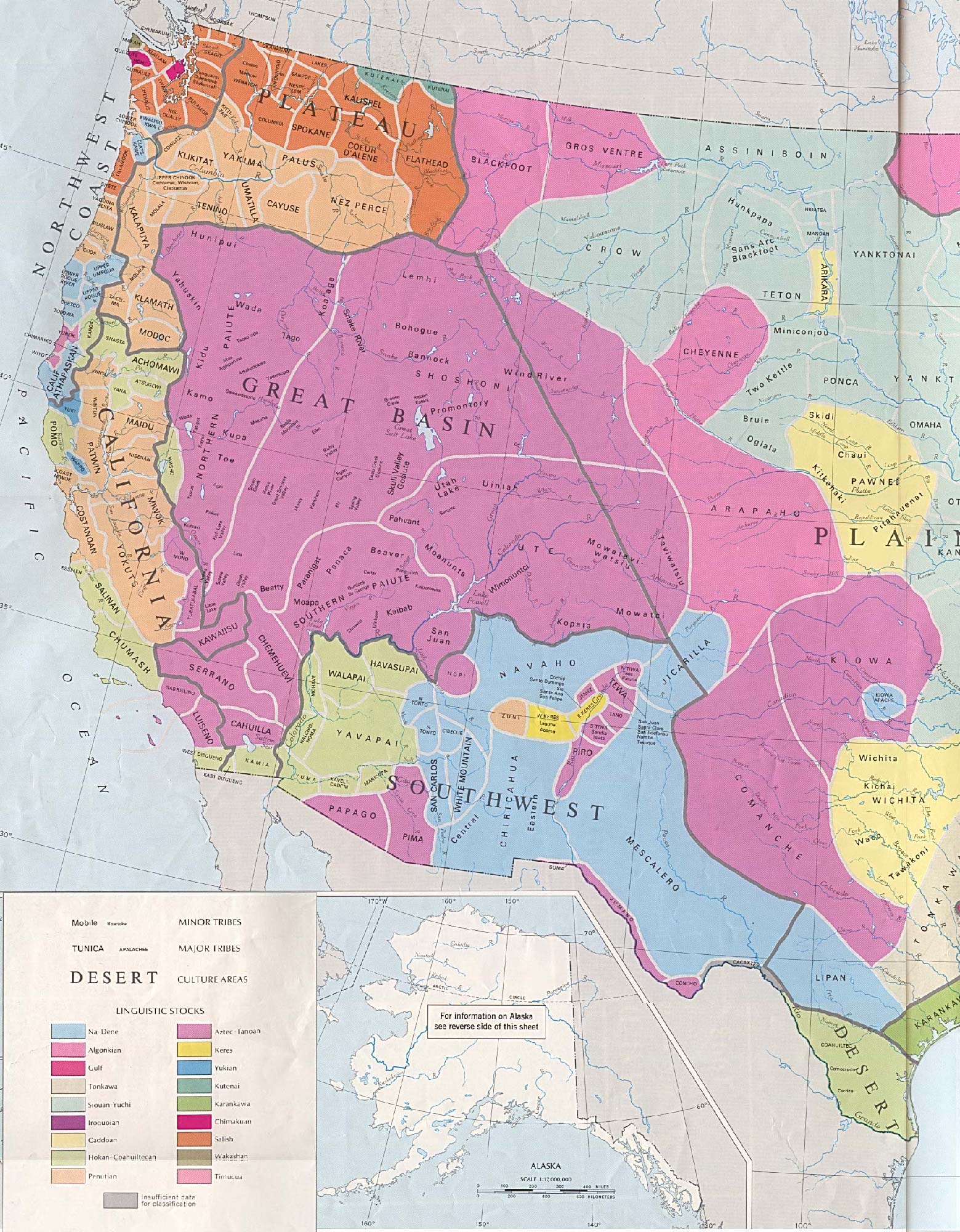
Indian Tribes and Bands of Historical Western North America

Western United States Native American Medicinal Plants

  • Balsam fir (Abies lasiocarpa) was used to treat colds by making a tea with the needles and resinous blisters found on the trunk. It was used in the Owyhee, Nevada and Montana areas.
Blue Gilia
  • Blue Gilia (Gilia spp.) was made into a tea. The tea was made from the whole plant totreat children's colds. It was milder than other plant species, which made it good for children. It was found in Austin and Ely, Nevada.
  • Coral root (Corallorhiza maculata). The whole plant was dried and made into tea to treat colds.  It was thought to have supernatural origin. The plant was found at Owyhee and Pyramid Lake, Nevada.
  •  Alumroot (Heuchera glabella). The root was steeped for an eye-wash the leaves were also used to make teas for other ailments. The Blackfoot Indians used it. 
  • Acacia was used for the treatment of eye inflammation, due to “dusts, vaqueros or
    Indian Balsam
    travelers” often carried the seeds and put four in each eye before bed.
  • Indian Balsam (Leptotaenia multifida) had many uses. After the seeds became ripe the roots were dug up. They would cut the roots into small chips and string on a line to dry in the shade. The roots smelled like celery and looked like small carrots. After dry a tea was made from the chips and the ill person was supposed to
    Indian Balsam Root
    stay in bed and drink only this tea as their liquid for a week. It was considered a Big Medicine in the Inter-Mountain area and in the Pacific Northwest, meaning it was used to treat many ailments and was very important. Tribes in Warm Springs, Oregon and all throughout the Inter-Mountain and Pacific Northwest used it.

  • Mountain balm, snowbrush (Ceanothus velutinus). A tea was made from the leaves for “puzzling illnesses.” It was said that they would breath out a fresh odor after drinking it. Used primarily by Warm Spring Native Americans. 
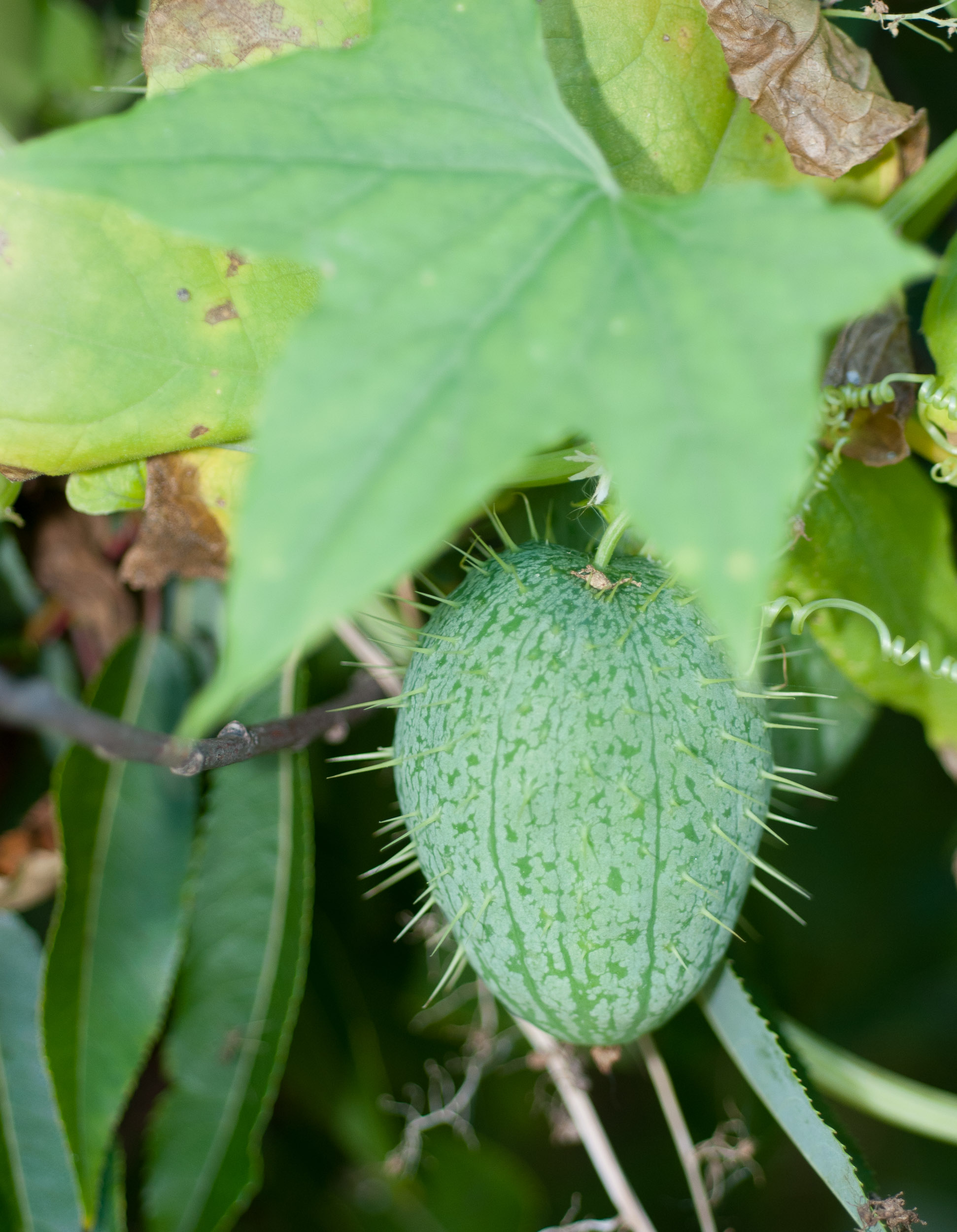
Wild Cucumber
  • Wild Cucumber (Echinocystis spp.). The seeds were roasted and eaten to treat kidney problems. This was especially troublesome in desert areas where water was scarce and impure. It was widely used by California Native Americans.
  • Sand Verbena (Abronia villosa). The whole plant was used to induce urine. The Moapa Paiutes used it. 
  • Bud Sage (Artemisia spinescens). The whole plant was cooked and the juices were used as the medicine to treat bladder issues, common in desert areas where water was scarce and impure. The Fort MacDermitt Paiutes used it.
  • Sweet Anise (Osmorrhiza occidentalis). The root was made into a tea and leaves were chewed for physic. Leaves were also boiled and placed on the skin for small pox. Shoshone Indians used it.
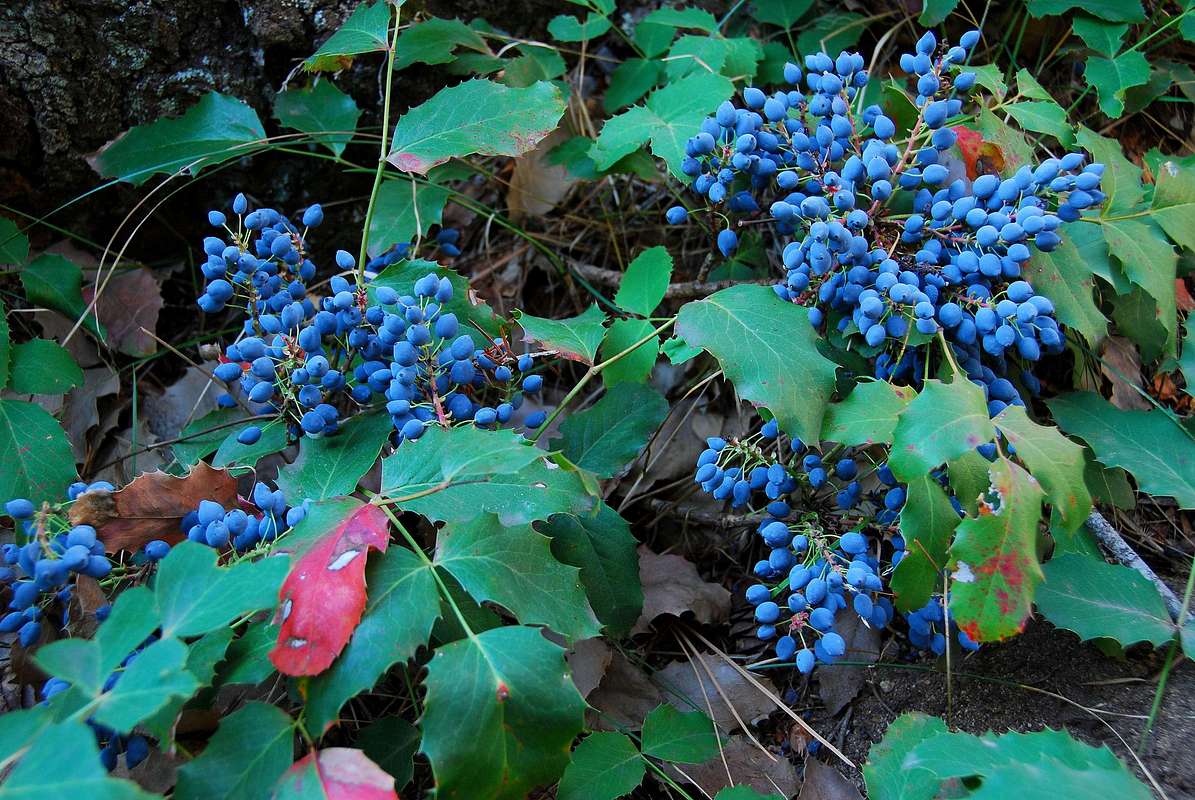
  • Oregon Grape (Berberis repens). The root was collected, peeled, dried, and steeped, to check for dysentery and rectal hemorrhaging. Used by the Shoshone, Paiute, Warm Spring and Blackfeet Indians.
Oregon Grape
 
Oregon Grape Root


  • Elderberry (Sambucus glauca). The root was boiled till soft and applied to inflammation. The Shoshone and Paiute Indians used it.
  • Bulrush or Joint Grass was used for blood poisoning; the stems were smashed and applied to the skin. The Chippewas used it.
    Plantain
  • Plantain (Plantago major) was used to treat battle bruises and wounds. A tea was made and they covered the body in the whole plant. The Shoshones used it.
  • Juniper (Juniperus spp.) was used for rheumatism. They burned a fire down to coals and placed green Juniper boughs over it and then the person laid on these. They also drank tea from the leaves. Used by the Paiute, Shoshone and Washo Indians.
  • Juniper, Antelope brush or Parosela were used for small pox. It was burned on a stove as a disinfectant and for cleaning. It was also used to make a tea. Tribes all over the Inter-Mountain and Pacific Northwest used it.
  • False Hellebore (Veratrum Californica) was used as a birth control. They use the fresh root in tea daily for birth control or for sterility they made a tea for life made from dried root. Sho and Washoe Indians used it.

            Native Americans utilized what they could gather from the land to heal and cure sickness. Today we synthesize the main ingredient(s) rather than take them directly from plants. Some believe this synthesis, which is generally only of the main ingredient, diminishes the medicinal impact and increases side effects because all the other parts of the plant are taken out. Using the whole plant or whole parts of the plant may cause the main ingredients to have a stronger or different effect, thought to be due to the interaction of the different chemicals and compounds in the plant. This may cause it to work better, worse or different in curing a sickness or healing, than the synthesis of just the main ingredient.
Western vs Traditional Medicine
            In our society today we forget that many of our medicines originally came from the earth, and that without them, and thus the earth, we could cease to exist. The Native Americans were in tune with this and were conscious of their impacts on the land. They were arguably healthier than we are today as a society, especially with all our processed foods, genetically modified plants, chemical preservatives and coloring and the range of undesirable chemicals absorbed from the air affecting our food sources, and water. This lack of consciousness and healthy lifestyle contributes to many of the disease, sickness and cancers we encounter. When the Indians owned the land they did not have factories producing pollution, impacting their food and water.
            Our use of antibacterial wipes and soap are also thought to contribute to our illnesses. Our society is terrified of the natural world and the bacteria it holds. We believe we must be clean all the time. This actually causes us to be more susceptible to disease because exposure to bacteria helps us to gain a strong immunity against it. The antibacterial solutions are thought to cause bacteria to mutate into various diseases as they become more resistant to antibacterial products, again increasing our susceptibility to stronger disease and sickness. Many of our advances in medicine have been beneficial in curing various illnesses and disease from the past and present. Although western medicine has saved many peoples lives we can't forget about natural medicine. It too can aid in healing and curing disease. Natural medicine is what Native Americans and herbalists today recommend.

References
Blondin, B. (n.d.). Native American Healing In The 21st Century - richheape.com - YouTube. YouTube - Broadcast Yourself. . Retrieved May 13, 2012, from http://www.youtube.com/watch?v=aEGMzXq6W4A&NR=1&feature=fvwp